


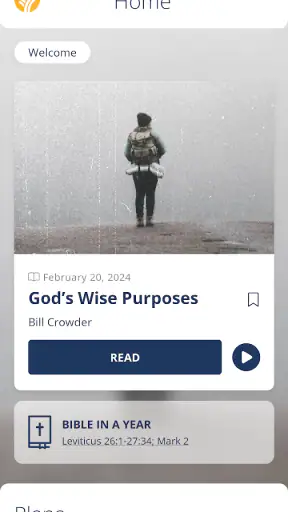
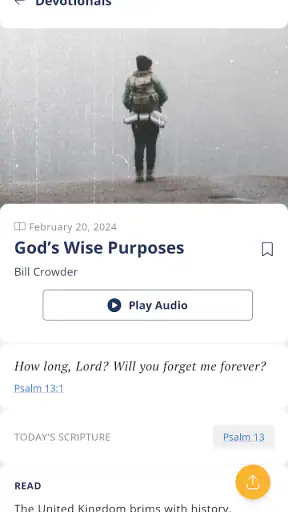
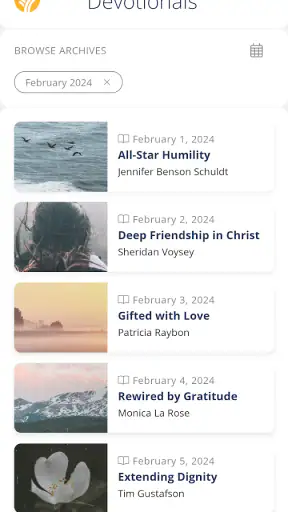
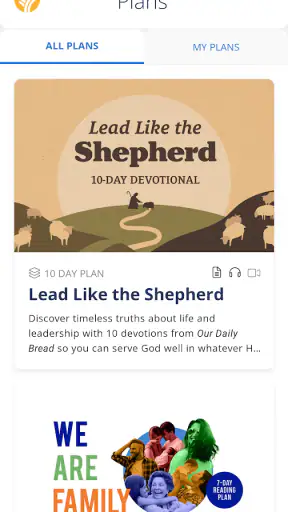
I approached Our Daily Bread as a daily reading companion rather than as a complete replacement for a Bible app. That distinction matters. Its purpose is to help me return to scripture regularly through devotional reading, audio content, and Bible reading plans, so the real question is not whether it contains every possible study tool. The better question is whether its focused routine makes daily engagement easier for me.
After spending time with it, I found an app that feels most useful when I want a short, guided pause instead of an open-ended research session. It belongs in the Books & Reference category, is free to use, and is developed by Our Daily Bread Ministries. The app has been available since September 1, 2011, and its long presence is reflected in a 4.7 average from around 54,000 ratings. It has also passed five million installs, which suggests that its simple devotional approach has found a broad audience.
How to decide whether the app fits your routine
The first decision is about the kind of reading experience you want. If I open an app hoping to compare translations, examine original-language notes, follow extensive cross-references, or build a detailed study system, I would look elsewhere first. Our Daily Bread is better suited to someone who wants a clear devotional starting point and a gentle structure for returning to scripture each day.
That focus is its main strength. Many Bible tools give me a large library and leave me to decide what to do next. That flexibility can be valuable, but it can also create friction. I may open the app with good intentions, browse for a passage, become distracted by study options, and close it without reading anything. A devotional-centered app reduces that decision load by putting the daily habit at the center.
I would judge it using four practical questions. Does the daily material fit the amount of time I genuinely have? Can I listen when reading is inconvenient? Do the reading plans give me enough structure without making the routine feel like homework? And does the app complement, rather than compete with, the Bible tools I already use?
For a busy reader, the answer may depend less on theological depth than on consistency. A short session that actually happens is more useful than an ambitious study plan that I repeatedly postpone. The app makes sense for people who want a devotional rhythm before work, during a quiet lunch, or at the end of the day.
A realistic morning workflow
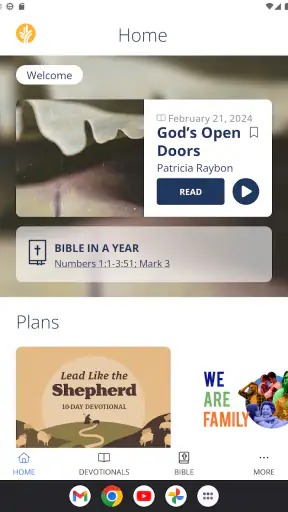
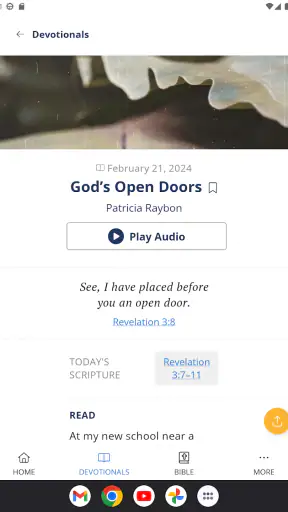
My most practical use case is a morning routine with limited time. I can open the daily devotional, read the selected material, and then use the related scripture as a point of reflection instead of trying to design a complete study session. If my attention is divided, audio content gives me another way to stay engaged while preparing breakfast or commuting as a passenger.
The important advantage here is continuity. I do not have to decide which book to begin, how many chapters to cover, or which topic deserves attention before every session. The devotional format gives the routine a starting point. I can still open a separate Bible app when I want deeper investigation, but I am less likely to skip the reflective part of the day.
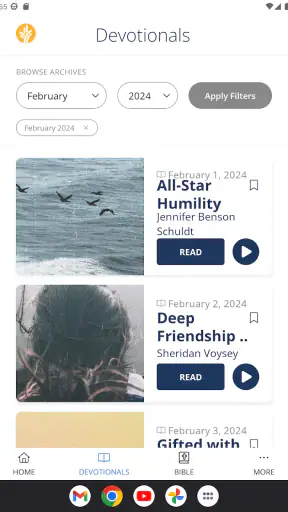
There is also a useful distinction between reading plans and devotionals. A devotional helps with the immediate moment; a reading plan helps me think in terms of a longer path. I would use the daily reading when I need a manageable entry point and choose a plan when I want a more deliberate commitment. Treating those as two different workflows prevents the app from feeling repetitive.
What the audio option changes
Audio is not merely a decorative extra for me. It changes when the app can fit into the day. Reading requires a screen and a certain level of attention, while listening can work during a walk, a household task, or a quiet drive as a passenger. That makes the app more adaptable than a paper devotional, even though paper can still be preferable when I want to underline, annotate, or avoid another screen.
I would not assume that audio is always the best choice. Listening can make it easier for the words to pass by without reflection, especially when I am multitasking. My better workflow is to listen first when necessary, then return to the written devotional later for a slower reading. That two-stage approach turns a spare moment into an introduction rather than pretending that background listening is identical to focused study.
For users with visual fatigue or for anyone who struggles to maintain a reading habit, this flexibility may be decisive. For readers who want detailed notes beside every verse, audio will feel secondary. The app works best when I treat its formats as different tools for different situations, not as interchangeable versions of the same session.
Reading plans without overcommitting
The reading plans are most valuable when I choose one that matches my real schedule. A common mistake is selecting a plan because it sounds spiritually or intellectually worthwhile, then abandoning it after a few missed sessions. I prefer to begin with a modest commitment and use the plan as a guide rather than as a test of discipline.
If I fall behind, I would continue from the current point instead of trying to consume everything I missed in one sitting. That is a small but important habit decision. A plan should reduce uncertainty, not create guilt. The app’s value comes from helping me return, so I would avoid turning completion into the only measure of success.
Another useful approach is to pair a plan with the daily devotional rather than replacing one with the other. The plan provides broader direction, while the devotional offers a focused reflection. If I only want one short interaction each day, I would choose the devotional. If I am trying to build a broader reading pattern, I would use the plan and keep the devotional as an optional companion.
Where Our Daily Bread wins, and where another category may fit better
Our Daily Bread wins through focus. It does not ask me to construct a personal curriculum before I begin. The devotional format gives the experience a human scale, and the combination of written material, audio, and plans covers several common ways people try to maintain a scripture habit.
That focus also makes it approachable for someone who feels intimidated by large Bible libraries. A newcomer may not know which passages to choose or how to organize a reading routine. Starting with a guided devotional can feel less demanding than opening a reference-heavy tool filled with competing options.
It is also a strong companion for readers who already have a preferred Bible app. I can use a specialized tool for translation comparison or note-taking, then return here for devotional reflection. In that arrangement, Our Daily Bread is not competing for every part of my study time; it is filling the gap between reading scripture and applying a reflection to ordinary life.
Its free price removes an important barrier for a person who wants to try a devotional habit without making a purchase first. The content rating is Everyone, so the app is broadly suitable for general audiences. I would still make personal judgments about whether the devotional style matches my beliefs and expectations, because an age rating says nothing about whether a particular approach feels spiritually useful to me.
When a full Bible study app is the better choice
I would choose a broader Bible study app when my main goal is research. If I need several translations side by side, extensive cross-references, detailed commentary, or a robust system for organizing notes, a dedicated study platform is usually the more natural home. Our Daily Bread can point me toward reflection, but it should not be mistaken for a specialist research desk.
The trade-off is simplicity versus control. A larger study app may give me more power, but that power can make a quick devotional session feel unnecessarily complicated. Someone who enjoys building custom reading schedules and investigating every textual connection may find this app too guided. Someone who tends to postpone reading because there are too many choices may find the same guidance refreshing.
When a paper devotional or podcast fits better
A paper devotional remains a better option for readers who want a screen-free ritual, physical notes, or a slower sense of separation from notifications. I can leave a book open on a table and return to the same page without dealing with a phone. Our Daily Bread is more convenient for portability and audio, but convenience is not the same as concentration.
A general religious podcast may suit someone who prefers longer conversations, interviews, or sermons. The app’s devotional structure is more direct and easier to fit into a short routine, but it may feel too compact for a listener who wants extended discussion. I would choose based on whether I want a guided daily prompt or a longer audio experience.
There is no need to abandon one format completely. I can use the app during travel or busy weekdays and keep a paper book for a quiet weekend session. That mixed approach is especially sensible for people who want the app’s reminders of a routine without making their entire spiritual practice dependent on a phone.
The small frictions that affect daily use
The app’s focused design can become a limitation if I want to wander. A devotional gives me a clear route, but it may not satisfy a reader who wants every session to begin with a personally selected topic. The more I want to customize the order, depth, and supporting material, the more likely I am to prefer a general-purpose Bible tool.
There is also a mental transition between devotional reading and serious study. I may read a reflection and feel encouraged, but then need to switch apps or change methods when I want to examine the biblical passage closely. That is not a flaw in the devotional itself; it is the cost of choosing a focused product instead of an all-in-one platform.
Audio introduces another trade-off. It improves access during hands-busy moments, yet it can encourage passive consumption. I get more from it when I pause afterward and identify one idea I want to remember. Without that pause, the convenience can work against the reflective purpose.
Finally, a daily routine still depends on my behavior. The app can make starting easier, but it cannot guarantee that I will return or that I will engage thoughtfully. I would rather use it for a realistic five-minute habit than install it with an ambitious plan I do not intend to maintain.
What switching to it really involves
Moving from a paper book to the app is easy in one sense: the free price makes experimentation low risk, and the formats are familiar enough that I can begin without learning a complicated system. The larger adjustment is behavioral. I have to decide whether my phone will help create a quiet moment or introduce the same distractions I am trying to escape.
Moving from a full Bible app is different. I may lose the convenience of having every study feature in one place, but I gain a more defined devotional path. I would not migrate all my reading simply because this app feels calmer. Instead, I would test it as a dedicated daily layer for a week or two and keep my existing study tool for research.
Moving from another devotional app may involve less technical change and more stylistic change. The key question is whether the reading plans and audio option fit my preferred rhythm. If I like choosing every passage myself, the transition may feel restrictive. If I want a dependable starting point, the structure may be exactly what I have been missing.
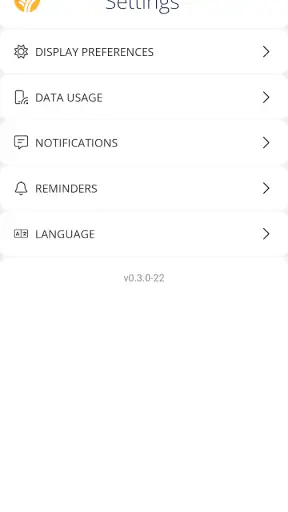
The current version is 5.5.7 and supports devices running Android 7.0 or later. That makes checking device compatibility worthwhile before planning a long-term routine, particularly if I am using an older phone. Once installed, I would spend a few minutes exploring the devotional, audio, and plan areas rather than judging the app from its first screen alone.
Who should install it today
I recommend Our Daily Bread to a reader who wants a free, approachable way to make scripture part of an ordinary day. It is especially suitable for someone who benefits from guidance, prefers short devotional sessions, or needs audio to keep the habit alive when reading is inconvenient.
I would also recommend it as a companion for an existing Bible study setup. Use it for the daily reflection, then move to a more specialized app or a physical Bible when you want detailed investigation. That division of labor gives the app a clear purpose and prevents disappointment caused by expecting it to do everything.
I would hesitate to recommend it as the only app for a reader whose priority is advanced study, extensive customization, or long-form theological discussion. In those cases, a full reference tool, a paper library, or an audio program with longer sessions may fit better. The app is not weak because it is focused; it is simply not designed around every kind of religious reading.
My final judgment is positive, with one condition: I would install it for consistency, not for endless features. The combination of devotional reading, audio, and plans gives me several practical ways to return to scripture, while the free access makes trying the routine straightforward. The best reason to choose it is that it lowers the effort required to begin.
For me, that makes it a worthwhile daily companion rather than a universal Bible replacement. If I wanted one app for research, annotations, and highly customized study, I would choose another category. If I wanted a steady devotional prompt that could follow me through a busy day, I would choose Our Daily Bread and keep the routine deliberately simple.


